🚀 We are changing our Booking Software on January 2nd. Please download the new App. Gift Cards are Now Available 🚀

The Future of Health: Navigating Top-Rated Fitness Classes in Pearland for 2026

The definition of a “good workout” has undergone a radical transformation over the last few years. As we move through 2026, the residents of Pearland are no longer satisfied with just “burning calories.” The modern approach to health in Texas is now defined by functional longevity, nervous system regulation, and data-driven personalization. People are looking for movement that helps them live longer, move better, and stay mentally resilient in an increasingly digital world.

Whether you are a busy professional at Shadow Creek Ranch or a long-time resident near the Old Town District, finding the right environment to support your goals is essential. This comprehensive guide explores the evolving landscape of wellness and why the diverse selection of fitness classes Pearland offers is setting a new standard for holistic health.

The 2026 Shift: From Intensity to Intention

In the past, fitness was often marketed as a battle—something to be “conquered” through sheer willpower and high-intensity pain. Today, the conversation has shifted toward smarter training.

A major trend in 2026 is the integration of biometric data. With nearly half of U.S. adults now utilizing wearable technology, classes in Pearland are increasingly adapting to this “data-first” mindset. Coaches are no longer just shouting instructions; they are helping participants understand their Heart Rate Variability (HRV), recovery scores, and sleep quality. This shift ensures that if your body is showing signs of high stress, your workout is adjusted to be restorative rather than depleting.

Why Group Fitness is the Heart of Pearland’s Community

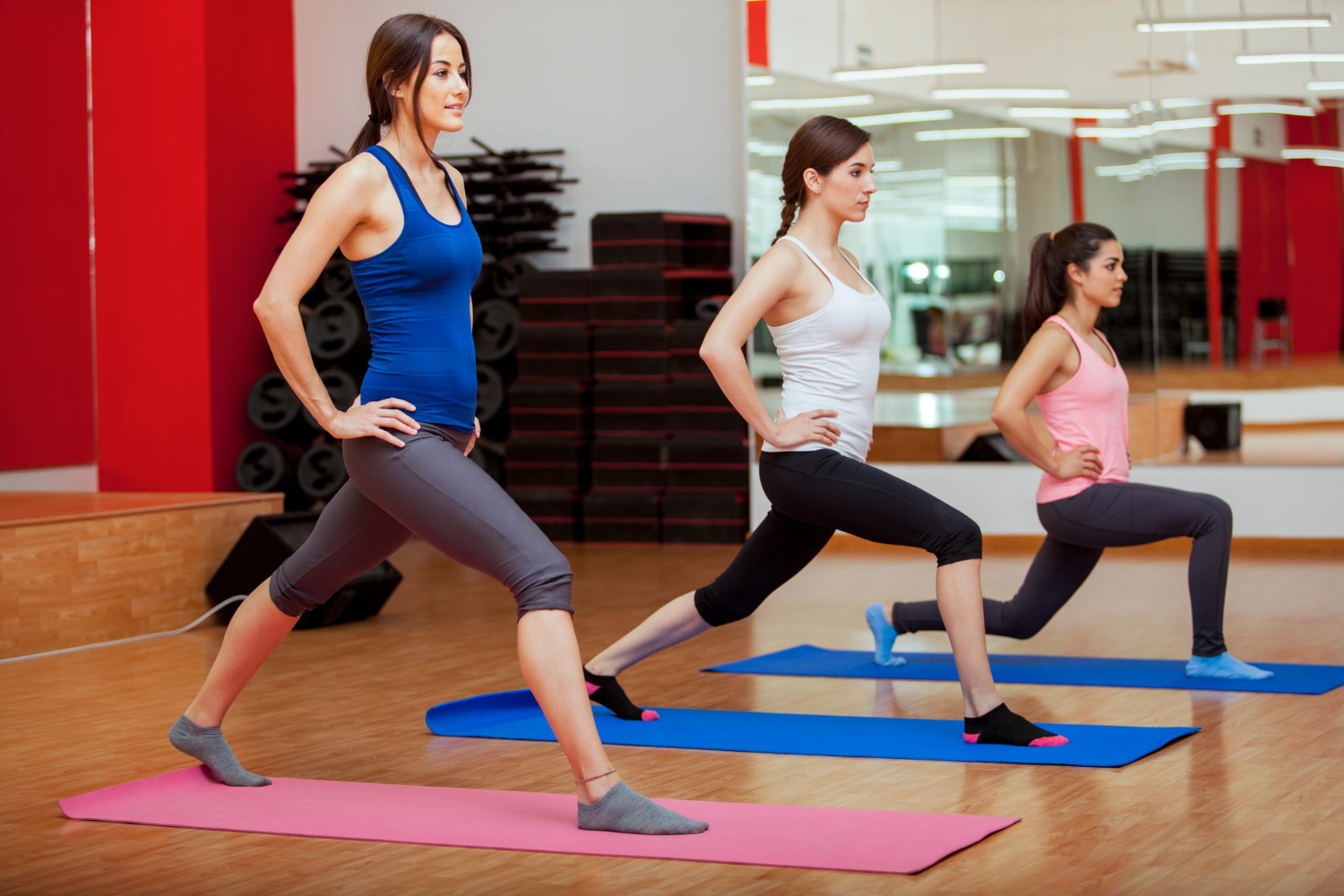
While home gyms became popular during the early 2020s, 2026 has seen a massive “return to the studio.” Why? Because of the social-emotional benefits of group movement. Humans are biologically wired for connection, and the collective energy of a class environment provides a “psychological lift” that a solo treadmill session simply cannot replicate.

In Pearland, the variety of group settings caters to every personality type:

  • The Adrenaline Seekers: High-intensity studios that use gamification and leaderboards to drive motivation.
  • The Strength Focused: Small-group personal training where the focus is on heavy lifting, proper form, and progressive overload to combat the natural loss of muscle mass as we age.
  • The Mindful Movers: Sanctuaries that prioritize breathwork, mobility, and the mind-body connection to reduce cortisol and improve mental clarity.

Understanding Functional Longevity

A term you will hear frequently in Pearland’s wellness circles this year is “Functional Longevity.” This refers to training your body to perform the movements it was designed for—squatting, hinging, pushing, pulling, and rotating—well into your 70s and 80s.

Modern classes are incorporating Active Aging protocols. This isn’t just for seniors; it’s a proactive approach for 30- and 40-somethings to prevent future injury. By focusing on balance, core stability, and joint mobility today, residents are ensuring they can remain independent and active for decades to come.

The Rise of Hybrid Concepts

One of the most exciting developments in 2026 is the “Hybrid Class.” Local studios are breaking down the silos between different disciplines. It is now common to find a “Yoga-Strength” session that combines heavy sandbag carries with deep vinyasa stretches, or a “HIIT-Restorative” class that finishes 45 minutes of intense cardio with 15 minutes of guided meditation. This balanced approach addresses the two primary needs of the modern body: the need for physical challenge and the need for deep recovery.

Recovery: The “Other Half” of Fitness

In 2026, we recognize that you don’t actually get stronger during your workout; you get stronger during the recovery that follows. Pearland’s top-tier facilities now feature recovery suites equipped with:

  1. Infrared Saunas: To improve circulation and reduce muscle soreness.
  2. Compression Therapy: Using pneumatic boots to flush metabolic waste.
  3. Percussive Therapy: High-end massage tools available for post-class cool-downs.
  4. Guided Breathwork: Using specific techniques to shift the body from a “fight or flight” state to a “rest and digest” state.

Choosing the Right Path for Your Body

Choosing the right path in 2026 means moving beyond guesswork. With a vast array of fitness classes Pearland provides, expert trainers now recommend a “periodized” approach. This strategy involves rotating workout intensities to prevent burnout and plateaus. By balancing high-energy strength training with restorative mobility work, you align your routine with your body’s natural recovery cycles. This data-backed method ensures long-term progress rather than short-term exhaustion. For those seeking a supportive environment to master this balance of effort and ease, Sundance Yoga Studio offers the expert guidance needed to harmonize your physical goals with mental well-being.

Conclusion:

Health is not a one-size-fits-all metric. It is a daily practice of listening to your body, challenging your limits, and finding a community that lifts you up. As you explore the various health and wellness opportunities in the area, remember that the most effective routine is the one you actually look forward to attending. For those seeking a truly holistic experience—one that honors the physical need for movement while providing a soothing refuge for the mind—Sundance Yoga Studio stands as a beacon of excellence in the Pearland community, offering expert-led sessions that cultivate strength, balance, and inner peace.


Frequently Asked Questions (FAQ)

1. What makes fitness in 2026 different from previous years?

The biggest difference is the shift toward “smart training.” There is a much heavier emphasis on using wearable data to guide intensity, as well as a focus on longevity and recovery rather than just short-term aesthetic results.

2. I haven’t worked out in years. Is it safe to start with a group class?

Yes. Modern studios in Pearland prioritize “scalability.” This means an instructor can give a beginner a modified version of an exercise while an advanced athlete performs the full version right next to them.

3. How do I know if a class is “Functional”?

Look for classes that emphasize multi-joint movements (like squats and deadlifts) rather than isolated machine exercises. Functional training prepares your body for real-life tasks like carrying groceries or playing with your kids.

4. What are the benefits of “Restorative” classes?

These classes are designed to down-regulate your nervous system. By using props and long-held stretches, you reduce cortisol (the stress hormone), which can actually help with weight management and better sleep.

5. Are there specific classes for older adults in Pearland?

Many local centers offer “Active Aging” or “Silver” programs. These focus specifically on bone density, balance to prevent falls, and maintaining the range of motion needed for daily independence.

6. Do I need to buy a smartwatch to join a data-driven class?

While not mandatory, many people find them helpful. Most studios can also rent you a heart-rate monitor for the duration of the class so you can see your stats on the big screen in real-time.

7. How long are typical classes in Pearland?

The “standard” 60-minute class is still popular, but we are seeing a rise in “Express 30” or “45-minute Hybrid” sessions to accommodate busy schedules without sacrificing results.

8. Can yoga really help with strength training?

Absolutely. Yoga builds “isometric strength” (holding positions) and improves your range of motion. This allows you to perform better in the weight room and reduces the risk of injury during heavy lifts.

9. Is nutrition coaching included in these programs?

Many boutique studios now offer “Total Wellness” packages that include monthly consultations with a nutritionist or access to AI-driven meal planning apps as part of your membership.

10. How do I choose between a large gym and a small studio?

Large gyms offer more equipment variety and lower prices. Small boutique studios offer more personalized attention, specialized instruction, and a tighter-knit community feel.
Everything You Need to Know Before You Start

Aerial dance is a modern movement practice that combines strength training, flexibility, balance, and artistic expression using suspended apparatuses. It offers a full-body workout while encouraging creativity and mindful movement. This practice is designed for adults who want to improve physical fitness in a structured, engaging, and supportive environment.

Unlike traditional dance or gym workouts, aerial dance introduces a vertical element that challenges the body in new ways. By working with gravity rather than against it, students learn how to move efficiently, build control, and develop confidence in their physical abilities.

What Are Aerial Dance Classes?

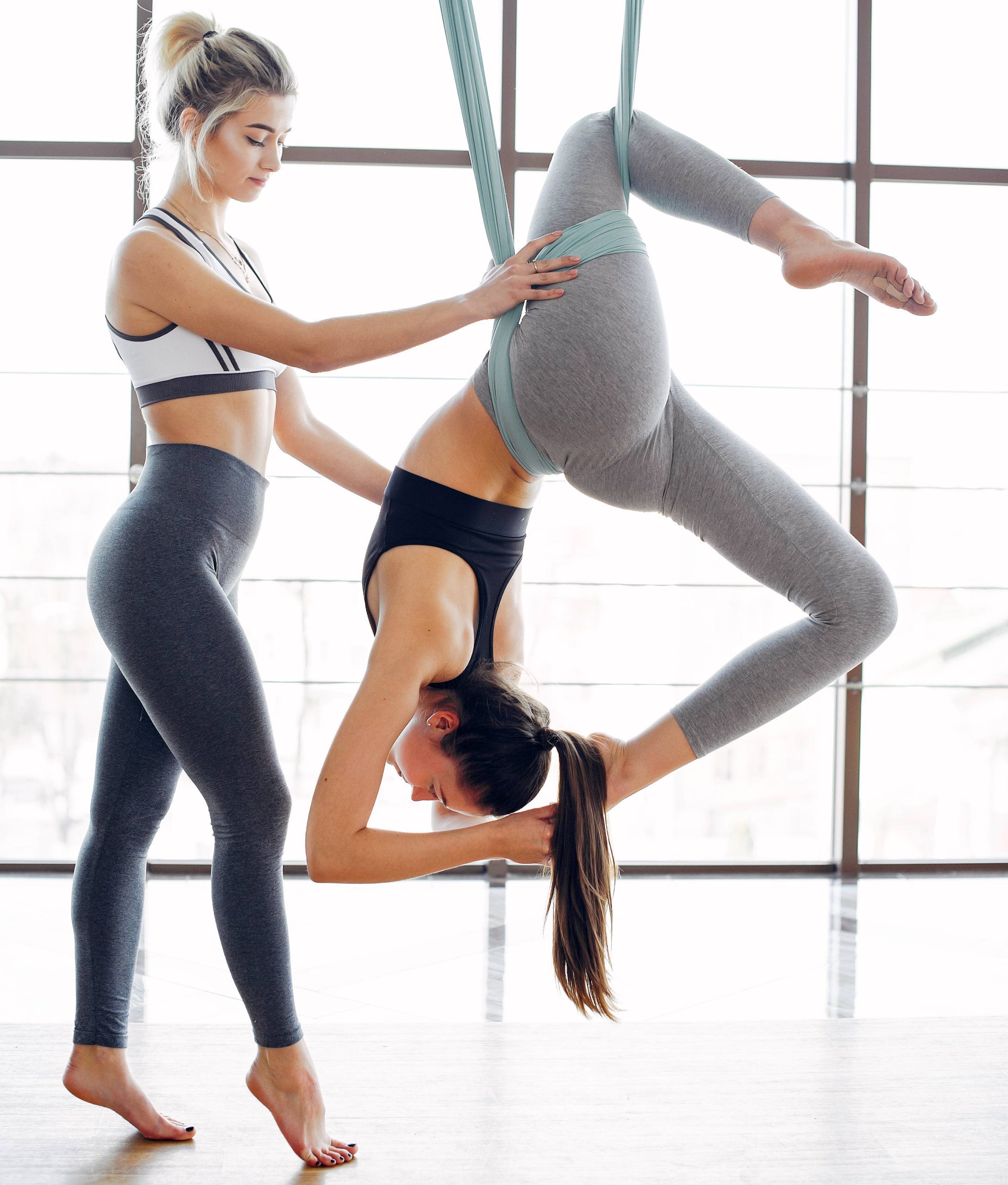
Aerial dance classes are instructor-led movement sessions that take place using suspended equipment such as aerial silks, hammock, or hoop. These classes focus on teaching safe techniques, controlled transitions, and strength-based movement patterns while maintaining proper alignment and body awareness.

Each class is designed with progression in mind. Students begin with foundational skills close to the ground and gradually build toward more complex movements as strength and confidence improve. The goal is not performance, but sustainable movement education and physical development.

Who Can Participate in Aerial Dance?

Aerial dance is suitable for adults of all fitness levels. Beginners are welcomed and supported through modifications and step-by-step instruction. No previous experience in dance, yoga, or gymnastics is required.

Classes are structured to meet students where they are physically. Those who are new to movement benefit from guided conditioning and basic techniques, while more experienced students can explore advanced transitions, sequencing, and flow.

Physical Benefits of Aerial Dance

Aerial dance provides comprehensive physical conditioning. It strengthens the upper body, core, and grip while improving overall coordination and balance. Because many movements require stabilizing the body in space, deep core muscles are activated throughout the practice.

Flexibility improves gradually as students move through supported stretches and controlled positions. The shoulders, hips, and spine benefit from increased mobility, which can help improve posture and reduce stiffness over time.

Unlike repetitive workouts, aerial dance promotes balanced muscle engagement, reducing the risk of overuse injuries when practiced consistently and correctly.

Mental and Emotional Benefits

In addition to physical strength, aerial dance supports mental well-being. The focus required to learn new movements encourages mindfulness and concentration, helping students disconnect from daily stressors.

The sense of accomplishment gained from mastering new skills can significantly boost confidence and self-trust. Many students find that aerial practice improves mood, reduces anxiety, and creates a positive relationship with movement.

Safety and Structured Instruction

Safety is a core principle of aerial dance education. Classes begin with warm-ups that prepare the joints and muscles for aerial work, especially the shoulders, wrists, hips, and core.

Instructors teach movements in a logical progression, ensuring students understand proper engagement and alignment before advancing. Skills are broken down into manageable steps, and rest periods are built into the class structure to prevent fatigue-related injuries.

Students are always encouraged to listen to their bodies and work within their comfort level.

What Happens in a Typical Class?

A standard aerial dance class follows a consistent and supportive format:

  • Warm-up: Gentle mobility and activation exercises
  • Conditioning: Strength-building movements for core and upper body
  • Technique: Step-by-step instruction on aerial skills
  • Movement Sequences: Short combinations to connect skills
  • Cool-down: Stretching and relaxation to support recovery

This structure allows students to build strength and technique while maintaining safety and focus.

What to Wear and How to Prepare

Students should wear fitted, comfortable clothing that covers the legs and torso. This protects the skin from friction and allows for safer contact with the apparatus. Loose clothing and jewelry should be avoided.

Hydration is important, and arriving a few minutes early allows time to settle in mentally and physically before class begins.

How Often Should You Practice?

Practicing one to two times per week is ideal for most students. Consistency allows the body to adapt gradually, building strength and flexibility without excessive strain.

As confidence and conditioning improve, some students choose to increase frequency, but rest and recovery remain essential for long-term progress.

How Aerial Dance Supports Long-Term Wellness

Aerial dance promotes sustainable fitness by combining strength, flexibility, and coordination in one practice. Because it emphasizes proper alignment and controlled movement, it supports joint health and functional strength.

The practice also encourages body awareness and mindful movement, which can carry over into daily activities and other forms of exercise.

Importance of Choosing the Right Studio

A studio that follows a structured curriculum ensures students receive consistent instruction and personalized guidance. Quality instruction prioritizes safety, progression, and individual needs rather than pushing students beyond their limits.

A supportive environment helps students stay motivated and engaged, turning aerial dance into a long-term wellness practice rather than a short-term fitness trend.

Conclusion

Aerial dance offers a unique approach to fitness that combines strength, flexibility, creativity, and mindfulness. With structured instruction and gradual progression, it becomes an accessible and rewarding practice for adults at any stage of their fitness journey. For those seeking a supportive and professional environment to explore aerial movement, Sundance Yoga Studio provides thoughtful instruction focused on safety, growth, and whole-body wellness.

Frequently Asked Questions

1. What are aerial dance classes?
Aerial dance classes are guided movement sessions using suspended equipment to improve strength, flexibility, balance, and coordination.

2. Are aerial dance classes suitable for beginners?
Yes. Beginner classes focus on foundational skills and safe progressions with no prior experience required.

3. Do I need upper-body strength to start?
No. Strength is developed gradually through conditioning built into each class.

4. How often should I attend classes to see progress?
One to two classes per week is sufficient for steady improvement.

5. Are aerial dance classes safe?
Yes, when taught by trained instructors who prioritize warm-ups, technique, and controlled progression.

6. What should I wear to an aerial class?
Wear fitted clothing that covers the legs and torso, and remove jewelry before class.

7. Can aerial dance improve flexibility?
Yes. Regular practice increases mobility in the shoulders, hips, and spine.

8. Are inversions required during class?
No. Inversions are optional and introduced gradually with alternatives available.

9. Is aerial dance good for stress relief?
Yes. The focused and mindful nature of the practice helps reduce stress and improve mental clarity.

10. How do I know if aerial dance is right for me?
If you enjoy creative movement, structured instruction, and full-body conditioning, aerial dance is a great option.

How Fitness Classes in Pearland Help Build Consistency, Strength, and Healthy Habits

Understanding why structured fitness routines create lasting results

Building a healthy lifestyle requires more than motivation. Many people start exercising with enthusiasm but struggle to maintain consistency over time. The most successful fitness journeys are built on structure, accountability, and expert guidance. When movement becomes part of a routine rather than a decision made each day, long-term results become achievable.

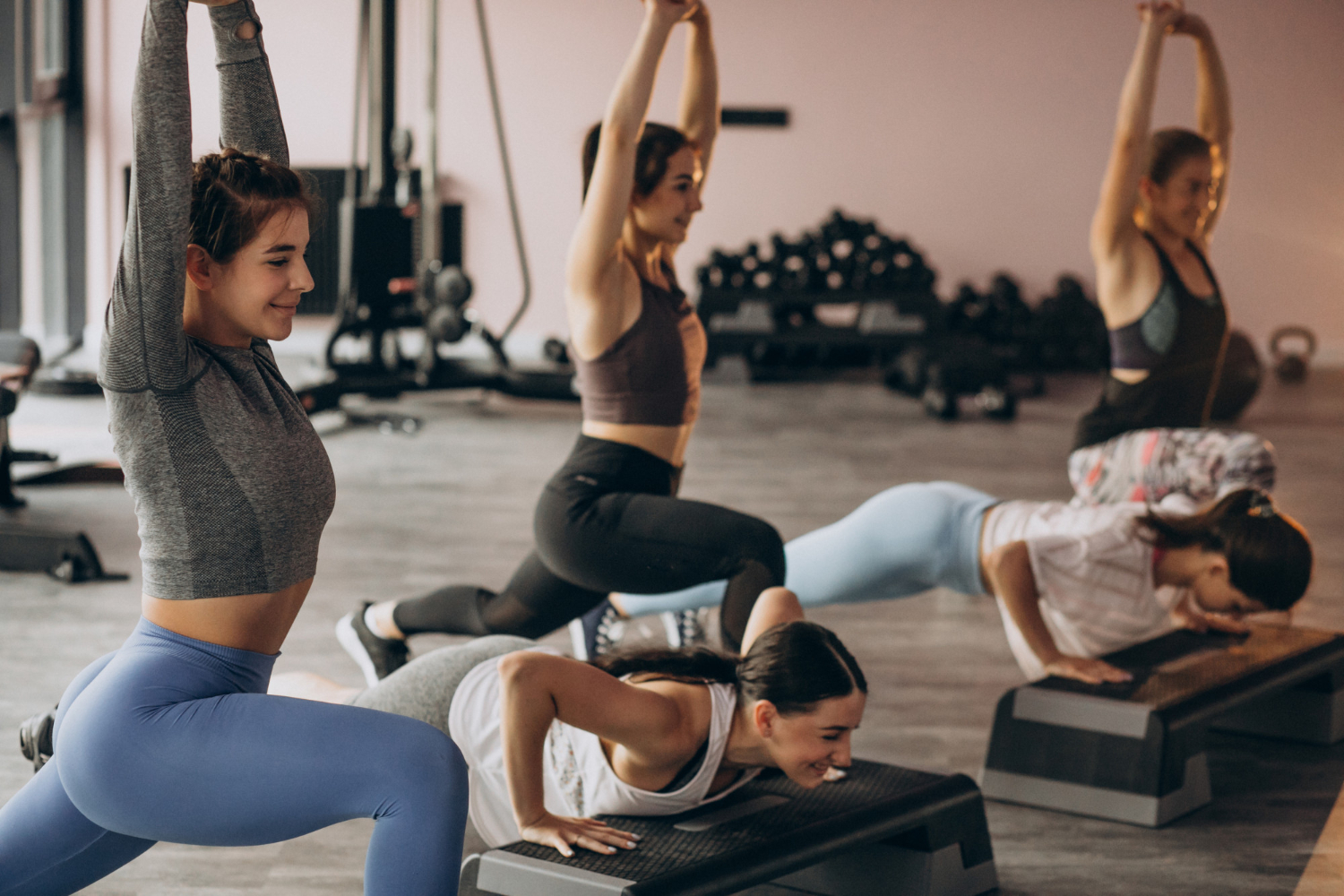
Fitness classes in Pearland offer an organized and supportive way for individuals to develop strength, improve overall health, and maintain consistent habits. These programs are designed to remove uncertainty, guide progress safely, and help participants stay committed even during busy or stressful periods.

Why consistency is the foundation of physical progress

Consistency is the most important factor in achieving physical improvement. Without regular movement, the body cannot adapt, strengthen, or improve endurance. Structured classes help individuals stay consistent by offering scheduled sessions, clear expectations, and professional supervision.

When people commit to a class schedule, fitness becomes part of their weekly routine rather than an optional activity. This predictability reduces skipped workouts and helps participants build momentum. Over time, showing up becomes a habit, and that habit leads to measurable improvements in strength, mobility, and confidence.

How guided instruction supports strength development

Strength is built through proper movement patterns, progressive challenges, and adequate recovery. Instructor-led fitness programs are designed with these principles in mind. Instead of random or repetitive exercises, participants follow structured sequences that gradually increase strength without overwhelming the body.

Professional instructors focus on alignment, posture, and technique. This ensures that muscles are activated correctly and joints are protected. As a result, participants build strength safely while reducing the risk of injury. This approach is especially beneficial for beginners and those returning to exercise after a break.

The role of habit formation in long-term wellness

Healthy habits are not created overnight. They are formed through repetition, support, and positive reinforcement. Group fitness environments naturally encourage habit formation by creating accountability. When participants know others are expecting them, they are more likely to attend consistently.

Over time, fitness sessions become a regular part of life rather than a temporary effort. This habit-building effect often extends beyond the class environment, influencing daily movement, posture awareness, stress management, and overall lifestyle choices.

Mental focus and motivation through group settings

Staying motivated is one of the biggest challenges in fitness. Group-based classes offer social encouragement and shared energy that individual workouts often lack. Seeing others work toward similar goals creates a sense of connection and motivation.

Mental focus also improves in guided sessions. Clear instruction allows participants to concentrate on movement and breathing rather than planning the workout. This focused engagement enhances both physical performance and mental clarity, making workouts feel purposeful and rewarding.

Safety and confidence through expert supervision

Safety plays a critical role in maintaining consistency. When individuals feel uncertain or experience discomfort, they are more likely to stop exercising altogether. Instructor-led classes address this issue by offering modifications and adjustments tailored to different fitness levels.

This supportive environment builds confidence. Participants learn how to move correctly, understand their physical limits, and progress at a comfortable pace. As confidence grows, consistency improves, and participants feel empowered to continue their fitness journey.

Flexibility and balance as part of overall strength

True strength goes beyond muscle development. Balance, flexibility, and mobility are essential components of functional fitness. Structured programs often integrate these elements into each session, ensuring well-rounded physical development.

Improved flexibility reduces stiffness and enhances movement efficiency. Better balance supports injury prevention and daily activities. Together, these elements contribute to a body that feels strong, capable, and resilient.

Stress reduction and emotional well-being

Regular physical activity has a powerful impact on mental and emotional health. Guided fitness programs often incorporate mindful movement and breathing techniques that help reduce stress and improve emotional balance.

Participants frequently report better sleep, improved mood, and increased energy levels. These benefits reinforce consistency, as individuals begin to associate fitness with feeling better rather than simply physical effort.

Making fitness sustainable in daily life

Sustainable fitness is not about extreme workouts or short-term challenges. It is about creating routines that fit into everyday life. Structured fitness classes support sustainability by offering manageable session lengths, predictable schedules, and adaptable intensity levels.

This approach allows individuals to maintain progress without burnout. Over time, fitness becomes a supportive element of daily life rather than a source of pressure or exhaustion.

Conclusion

Consistency, strength, and healthy habits are built through structure, guidance, and support. Fitness programs that focus on expert instruction, habit formation, and community connection provide a reliable path toward long-term wellness. By choosing an environment that values balance and sustainability, individuals can transform fitness into a lasting lifestyle. Sundance Yoga Studio continues to support this journey by offering a space where movement, consistency, and well-being come together naturally.

Frequently Asked Questions

How do fitness classes help with consistency
Scheduled sessions and group accountability make it easier to maintain regular attendance.

Are fitness classes suitable for beginners
Yes, instructors provide guidance and modifications to support all experience levels.

How often should I attend fitness classes
Most people benefit from attending two to four sessions per week, depending on goals.

Do group classes help with motivation
Yes, shared energy and encouragement increase motivation and commitment.

Can fitness classes improve strength safely
Guided instruction ensures proper technique and gradual progression.

Are fitness classes effective for stress management
Regular movement and mindful breathing help reduce stress and improve mental clarity.

What should I expect in my first class
Clear instruction, supportive guidance, and a welcoming environment.

Can fitness classes support long-term habits
Yes, repetition and structure help turn exercise into a lasting routine.

Do fitness classes include flexibility training
Most programs integrate flexibility and balance alongside strength work.

How long does it take to see results
Many participants notice improvements in energy and movement within a few weeks.