🚀 We are changing our Booking Software on January 2nd. Please download the new App. Gift Cards are Now Available 🚀

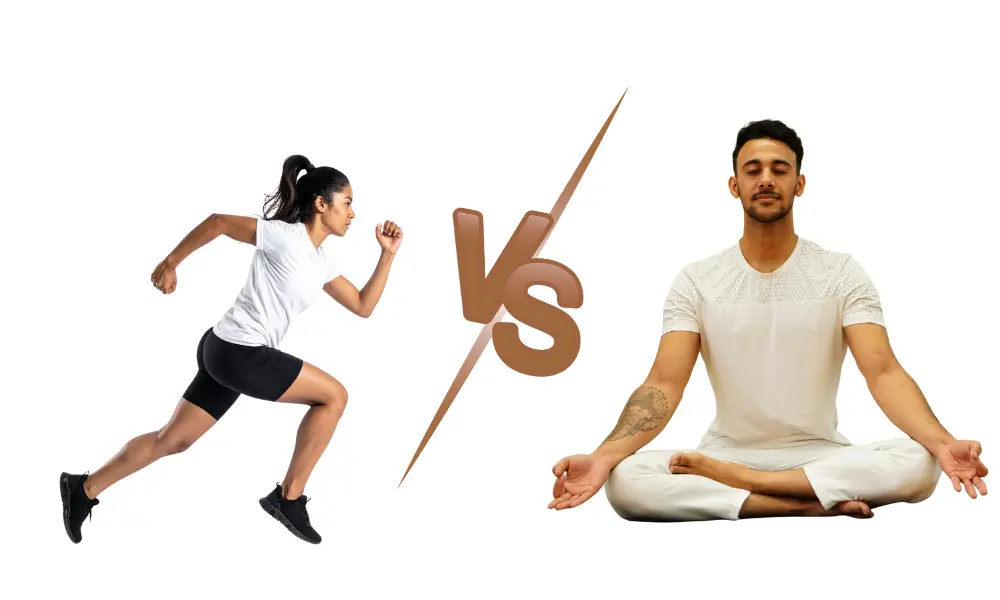
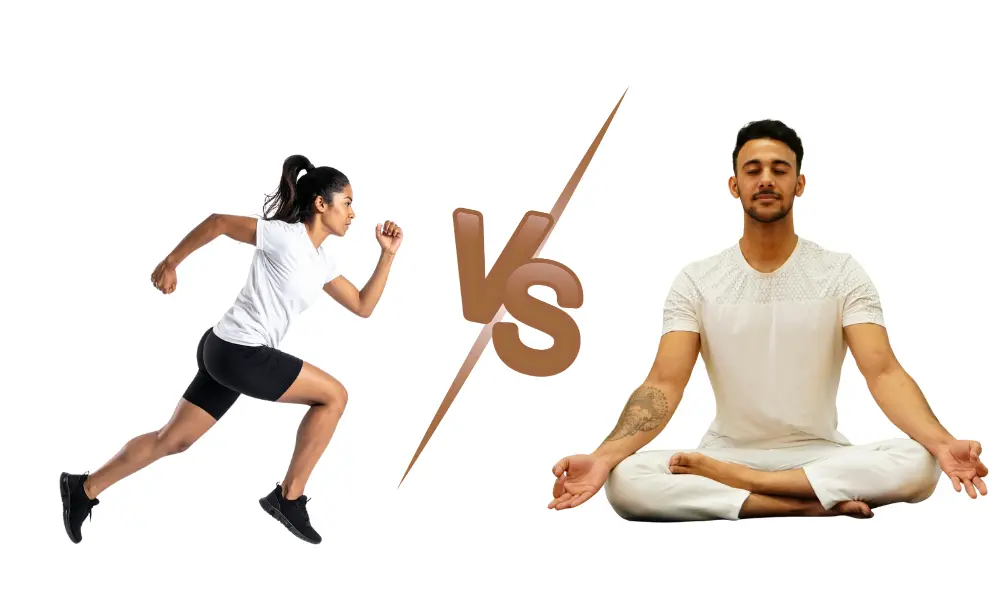
Yoga vs Cardio: Which Is Better for Weight Loss?

Yoga for Weight Loss

When people consider losing excess weight, the first thing that often comes to mind is cardio; running, spinning, or spending hours on the treadmill. However, could a more mindful method that takes time deliver more long-lasting results? That’s where yoga comes in. 

At Sundance Yoga Studio, we have seen that yoga for weight loss is not just about calories; it is about change. Yoga works on your body, mind, and emotions, which can help you develop habits that can help you maintain your well-being even after the exercise ends. As there is a growing access to yoga therapy online, it is easier than it’s ever been to start your journey of balance, being strong, and knowing yourself from the comfort of your own space. 

There is More to Yoga Than Meets The Eye

Cardio mainly focuses on movement and energy expenditure, and yes, it burns calories quickly. But yoga goes beyond that. It helps in controlling metabolism, reducing stress hormones, balancing digestion, and enhancing sleep, all of which are essential in maintaining a healthy weight. 

Through regular practice of yoga, you can build lean muscles, improve your posture, core strength, and encourage your body to use energy more efficiently. But the real power of yoga lies in what it does to your mind. It makes you aware of what you are hungry for, what you feel, what your habits are, and what triggers you. And once you bring awareness into the picture, sustainable weight loss becomes much easier. 

The Science Behind Yoga for Weight Loss

Scientific evidence shows that practicing yoga consistently can help lower the body mass index (BMI), reduce waist circumference, and improve overall well-being. This is not just because yoga tones your muscles, but also because it helps in managing the aspect of stress, which is one of the silent factors of weight gain. 

High stress levels increase cortisol hormone, which enhances fat storage, especially around the abdomen. Yoga, with its mindful breathing practice and meditative approach, helps keep cortisol levels in check. By relaxing the nervous system, yoga helps your body to get back into its natural rhythm by improving digestion, sleep, and hormonal function. 

Styles such as Vinyasa offer more active movements that raise your heart rate, while others like Yin Yoga or Restorative Yoga, nurture your recovery and help in refreshing your system. Together, these practices form an entire wellness approach, building physical strength and calming the mind. 

Why Cardio Isn’t Always the Answer

Cardio is great for burning calories quickly, but it is not always sustainable for everyone. Many people struggle to maintain the pace of high-intensity workouts because of fatigue, injuries, or lack of motivation. 

Yoga is not as aggressive as cardio, but effective. It doesn’t put a strain on your joints or leave you exhausted. Instead, it rejuvenates you; it makes you feel light, flexible, and focused. Although you might not burn as many calories per session, it ensures fat-loss in the long-term by balancing hormones, improving metabolism, and helping you make mindful choices. 

Above all, yoga is inclusive. It is open for all ages, body types, and fitness levels. You can practice yoga to suit your needs, whether you are a new learner or an advanced practitioner, and still notice progress. 

How Yoga Helps You Lose Weight Naturally

Here are some of the ways through which yoga can create long-term weight loss results: 

1. Reduces Stress and Emotional Eating: Yoga will calm your mind and reduce the level of anxiety, which is the key determinant of overeating or emotional snacking. The more relaxed you are, the better you digest and metabolize. 

2. Improves Digestion and Circulation: Many yoga postures, such as twists and forward bends, gently massage the internal organs, enhancing blood circulation and digestion, aspects that are essential for nutrient absorption and fat breakdown. 

3. Builds Lean Muscle Mass: Although not as intense as weight training, yoga does make your body strong. Poses like plank, chair, and others involve large muscle groups, which increases muscle tone and calorie burn. 

4. Enhances Mindful Living: Yoga teaches you to listen to your breath, your body, and to your desires. 

5. Improves Sleep Quality: Lack of sleep can interfere with hormones that regulate hunger, such as leptin and ghrelin. Yoga encourages deep, restorative rest, especially in the gentle evening sessions or yoga therapy online. 

Why Yoga Wins Over Cardio for Sustainable Weight Loss

While cardio offers quick results, yoga focuses on sustainable ones. Yoga teaches you to listen, rather than pushing your body to the point of exhaustion, and it is there that the real transformation happens. These are some reasons why yoga is better in the long run: 

  • It’s low-impact but effective for toning & stamina
  • It combats mental health & stress, the hidden villains of weight gain. 
  • It promotes self-discipline, which helps maintain healthy habits.
  • It supports joint and muscle recovery.
  • It is accessible everywhere, and you even have the option to practice yoga therapy online.
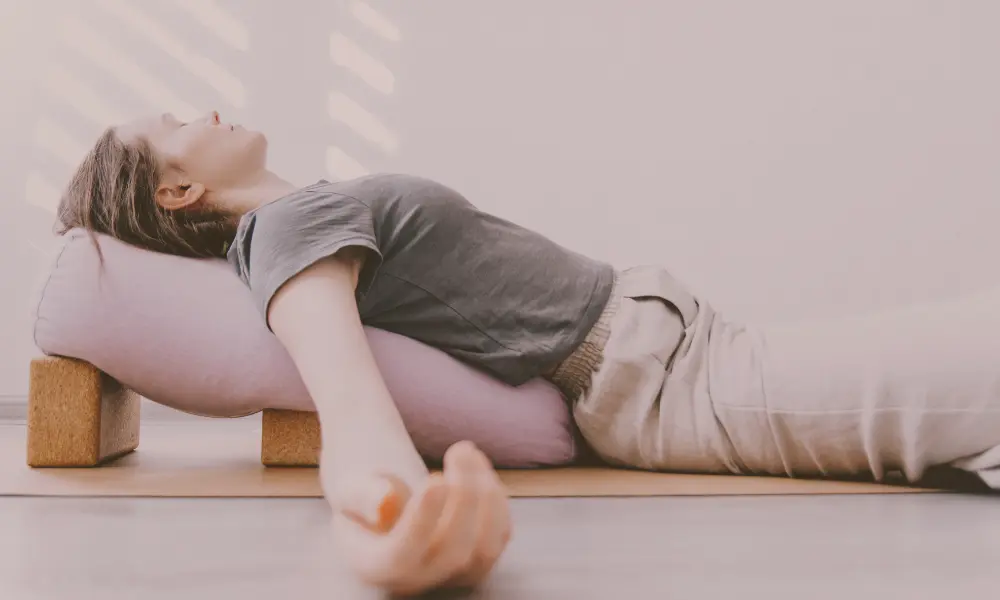
How Yin Yoga Classes Help Reduce Stress and Improve Sleep

Yin Yoga

Stress is an inevitable part of contemporary life, and learning ways to manage it effectively is essential for your health. At Sundance Yoga Studio, we have seen how yin yoga classes can transform the body and the mind. 

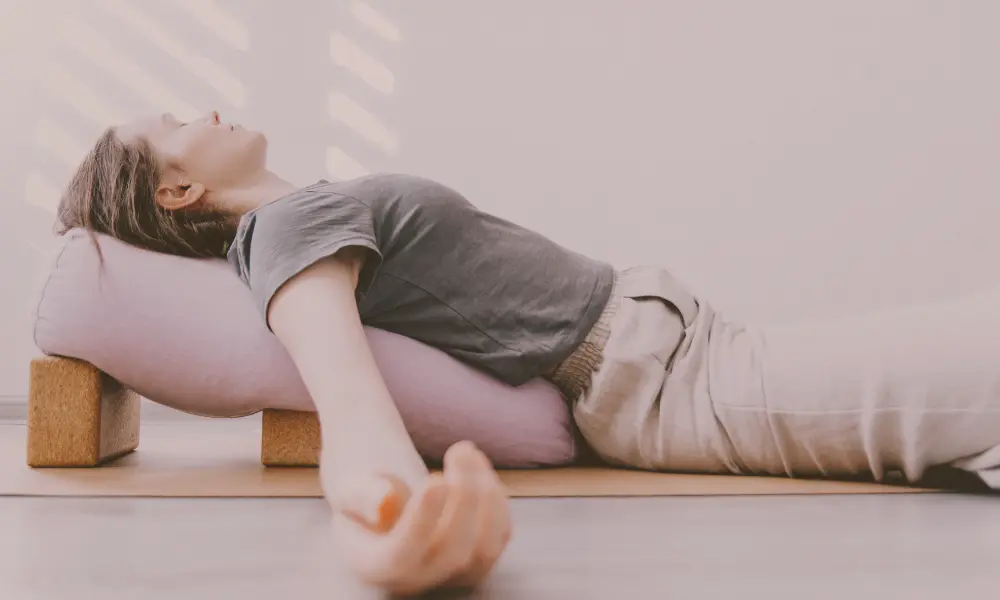
Yin yoga is a slower-paced practice, where deep stretches and longer holds are targeted and aimed at working on connective tissues and joints. Yin, unlike other fast-paced yoga practices, focuses on the relaxation of the nervous system and helps your body transition from tension to relaxation. The practice is meditative and involves developing mindfulness while enhancing flexibility and joint mobility over time. 

Why Yin Yoga Is Perfect for Stress Relief

One of the biggest advantages of yin yoga classes is that they help to get rid of mental tension. During every session, poses are held for several minutes, encouraging: 

  • Mindfulness: It is the core of yin yoga to remain in the present moment and be aware of your body. Paying attention to breath and posture allows you to feel what is happening without any judgment, and helps you detach from daily stressors. Over time, this skill reflects calmer responses to stress situations outside the classroom. 
  • Deep Breathing: This involves very slow and conscious breathing, which activates the parasympathetic nervous system and makes people less anxious and lowers their heart rates. Every breath in and out supports relaxation and trains your body to react calmly to challenging situations. 
  • Introspection: Holding poses promotes deep thinking, which is a safe way to express suppressed emotions. Regular practice is likely to make students feel clarity, emotional strength, and a sense of inner balance more evident and stable. 

Practicing yoga to reduce stress is not just about short-term relief. Over time, it trains your body and mind to react calmly to the daily stress factors, reduces cortisol levels, enhances emotional resilience, and enhances the overall emotional well-being of the mind. 

Improve Sleep Naturally with Yin Yoga

Having a problem with restless nights or insomnia? Yin yoga might just be your answer. The slow, deep stretches and mindful pauses: 

  • Relax tight muscles and connective tissues that often tend to hold tension due to stress or prolonged sitting. 
  • Relax the nervous system, and indicate to your body that it is time to rest and rejuvenate. 
  • Encourage a natural sleep rhythm by balancing hormones and creating a feeling of psychological peace. 

Students at Sundance Yoga Studio often notice improvement in their sleep patterns and wake up feeling refreshed and full of energy with consistent practice, which makes yin yoga classes a good companion for people struggling with sleep disorders. 

Physical Benefits: Flexibility and Joint Health

Yin yoga is not just about mental wellness; it works great for your body too!

  • Deep Stretching: Holding poses for several minutes can help you relieve tension in muscles and connective tissues to improve flexibility in areas that are often neglected, like the hips, spine, and shoulders. 
  • Joint Mobility: Yin yoga targets connective tissues and joints, which enhances mobility and prevents stiffness that comes with ageing or a sedentary lifestyle. 
  • Pain Relief: The slow, sustained stretches can help you reduce discomfort from prolonged sitting, repetitive tension, or mild chronic pain. Most students report that they feel better after regularly attending the sessions and have reduced tension headaches. 

After a session, a lot of students report that they feel lighter, more open, and physically aligned, which also helps to reduce stress. 

The Energy Connection: Meridians and Balance

Yin yoga is inspired by Traditional Chinese Medicine, which focuses on energy flow in the body. Each of the poses targets specific meridians, and they assist in:

  • Balance of the inner system, such as blood flow and nervous system regulation. 
  • Promote comprehensive wellness by connecting the body and mind through extended stretches. 
  • Balance both emotional and physical energy, and have students feel a deep sense of calm and revitalization. 

This makes Yin yoga a powerful complement to mental relaxation, physical health, and overall well-being. 

Mindfulness and Self-Awareness

The ability to hold poses for longer periods of time teaches you to observe sensations, thoughts, and emotions without judgment. This mindfulness practice helps: 

  • Minimize anxiety in daily life by creating awareness of the present. 
  • Make thoughtful decisions by encouraging self-reflection and clarity.
  • Learn to be calm and resilient, which can help in preventing burnout and illness caused by stress. 

For anyone looking for yoga to reduce stress, the mental training is equally effective as the physical benefits. 

Start Your Journey to Relaxation

Integrating yin yoga classes into your lifestyle helps:

  • Reduce stress by naturally breathing and meditating
  • Improve the quality of sleep by calming the nervous system and relaxing muscles.
  • Increase flexibility, energy flow, and mood.

Frequently Asked Questions –

Why is yin yoga good for sleep?

Yin yoga is good for your sleep as it calms the nervous system and releases physical tension. The deep stretches and slow breathing prepare your body and mind for deep, uninterrupted sleep.

Does yin yoga help with stress?

Yes, yin yoga helps a lot with stress relief. Its slow-paced, meditative approach activates the relaxation response of your body, reduces cortisol levels, and promotes mindfulness.

How does yoga help improve sleep?

Yoga can help in regulating breathing, relaxing muscles, and quieting the mind, all of which are essential for quality sleep. Practicing regularly can also help in reducing anxiety and promoting a natural, balanced sleep rhythm.

What is the main focus of Yin Yoga?

The main focus of yin yoga is deep stretching and stillness. It focuses on connective tissues, improves flexibility, and cultivates mindfulness by holding poses for longer periods.

How Can You Lose Weight With The Help Of Yoga: Types, Exercises & More

In a world of multiple weight loss fads and high-intensity training, one ancient art transforms your body shape and calms your mind—Yoga. Yoga is not only a simple stretch exercise but also a comprehensive way of losing weight, accelerating metabolism, and adding muscle strength without fatigue. If you have ever wondered how you can lose weight through yoga.

This on-site blog shares its secrets to success, the best styles of yoga for weight loss by Sundance Yoga Studio and why it’s quite possibly the most enduring exercise choice you’ll ever make.

The Secrets of Yogic Weight Loss: How Yoga Works Wonders on Your Body and Mind

Yoga (योग) is more than relaxation and stretching; it is an elegant science of balance between prana (life force), manas (mind), and sharira (body). Because of this, yoga is a very effective weight-loss system. While traditional calorie-torched exercises manage your outer environment through calorie burning, yoga manages your inner environment by balancing hormones, improving metabolism, and fueling healthy eating habits through dharana (concentration) and dhyana (meditation).

Stress is one of the main causes of weight gain through high cortisol levels and fat storage, especially in the belly. By stimulating the parasympathetic nervous system through pranayama (breath control) and asana (postures), yoga depresses cortisol and calms the body. This creates a healthy internal environment for the reduction and rejuvenation of fat. Yoga also tightens the muscles, strengthens digestion (agni), and increases endurance without being joint stressful.

What’s Vinyasa Yoga (विन्यास योग) ?

Vinyasa is “to put in a special manner” and refers to the flowing linking of postures by breath. A flowing and dynamic, adaptable style; no two classes are identical. Flowing movement creates cardio-respiratory fitness, strength, and flexibility of the muscles.

By Vinyasa practice, you are in samadhi (complete absorption) since your mind stays fixed with each movement and breathing, remaining detached from distractions and hunger pangs for emotional eating. The rhythmic flow ignites your digestive fire, which boosts metabolism and fat loss. Vinyasa is an excellent blend of mindfulness and physical fitness and is adaptable to everyone.

Benefits of Yoga for Weight Loss: Beyond the Scale

Yoga for weight loss advantages extend much beyond just burning calories. Let us look a little deeper at why yoga is a more effective choice for long-term fat loss and overall health:

1. Spreads Metabolic Fire:

Yoga spreads the digestive fire with twists, core activation, and breathing. This results in enhanced nutrient uptake, detoxification, and optimal fat burning. Improved digestion eliminates bloating and supports consistent weight loss.

2. Creates Lean, Functional Muscle :

By the gravity resistance in the poses, yoga creates muscles via isometric strength training, creating lean muscle mass but not bulk. More muscle mass increases metabolism, and your body has a higher rate of burning calories at rest.

3. Quiets the Mind and Lowers Cortisol :

Regular practice lowers cortisol (stress hormone), which is linked with belly fat storage and sweet cravings. Pranayama and meditation exercises induce mind cleansing, lowering emotions, and binge eating.

4. Enhances Quality of Sleep:

Yoga conditions the sleep pattern by calming the nervous system and quieting the mind. This leads to restful, refreshing sleep, which is necessary for endocrine balance and weight management.

5. Enhances Body Awareness:

Yoga places you in a body and mind awareness state, enabling you to pay attention to hunger pangs and eat healthier instead of relying on mindless snacking.

Takeaway: Make Yoga Your Ultimate Weight Loss Goal

Yoga is a life-transforming practice that starts from within, shaping your body, calming your mind, and awakening your inner spark. Ready to learn about your inner strength and shed extra pounds with the Sundance Yoga Studio?

Begin now—step onto the mat, inhale deeply, and activate your body’s inner strength. Learn more about our yoga for weight loss by visiting our website.

How Yoga Helps Reduce Stress, Anxiety, and Tension Naturally

Yoga is a holistic practice, an ancient tradition of balancing mind, body, and spirit, spanning thousands of years. It has become very popular nowadays as yoga is not just a physical activity; it is a natural way to deal with stress, anxiety, and tension. Yoga provides a safe and accessible form of enhancing the well-being of people of all ages through its combination of conscious movement, breath control, and meditation. 

Life moves fast, and between work, family obligations, and everything in between, it’s easy for stress, anxiety, and physical tension to pile up. And if you’re looking for natural methods to relax, yoga is one of the best methods. For example, at Sundance Yoga Studio, several students learn how regular practice can help them relax their minds, calm their bodies, and balance everything. 

What Happens in Your Body and Mind

Yoga works both physically and mentally to help you get rid of stress and anxiety. Physically, the postures (asanas), stretches, and gentle movements help release tight muscles and enhance blood flow. On the mental level, you can use breathing exercises and mindfulness to focus on the present moment, slowing down the racing thoughts and lowering stress hormones. Research indicates that yoga controls cortisol levels and activates the parasympathetic nervous system, which the body uses to relax. 

Key Benefits of Yoga to Reduce Anxiety, Stress, and Tension

Here are some ways in which yoga practice can support relief naturally – 

1. Breath Awareness & Controlled Breathing: Pranayama exercises, such as deep breathing on a slow pace, help in controlling the nervous system. Concentrated breathing calms the heart rate, reduces stress, and helps you feel more stable. 

2. Gentle Movement and Stretching: Yoga postures stretch tight muscles gently, which helps in releasing physical tension that is stored in certain areas of the body, such as the shoulders, neck, hips, and lower back. This relieves pain and minimizes stress within the body and helps yoga to reduce stress

3. Mindfulness & Focus on the Present Moment: Concentrating on the breath, movement, or sound turns your mind away from worries. Meditation and mindful moments during Yoga can help reduce overthinking, which helps with both anxiety and stress. 

4. Improves Mood and Mental Strength: Yoga leads to the release of endorphins and increases levels of neurotransmitters, such as GABA, which promote a feeling of calmness and happiness. In the long run, you may discover that you respond to several situations with more composure. 

5. Better Sleep and Recovery: Yoga to reduce tension often incorporates restorative yoga and rest (as Savasana) to relax your body and mind. Improved sleep and less physical tension help reduce levels of stress and anxiety. 

Best Yoga Poses to Reduce Stress, Anxiety, and Tension

Yoga has simple and effective poses that are known to relax the mind, relieve tension, and restore balance. Certain postures are especially effective when you are practicing yoga to reduce anxiety, stress, and tension. For example: 

  • Child’s Pose (Balasana): This is a posture that grounds the individual and relaxes the nervous system by gently stretching the back and the shoulders. This posture is often used as a relaxing pose to reduce anxiety and introduce a feeling of security. 
  • Legs-Up-the-Wall-Pose (Viparita Karani): This restorative pose is ideally used to reduce fatigue and calm the mind as it helps improve circulation and soothes stress after a long, stressful day. 
  • Cat-Cow Flow (Marjaryasana-Bitilasana): This is an easy pose that helps increase flexibility in the spine. This flow reduces any tension being stored and helps establish better coordination between breath and body. 
  • Bridge Pose (Setu Bandhasana): This is a cardiovascular pose that helps strengthen the body while calming the nervous system in a way that reduces anxiety. 
  • Corpse Pose (Savasana): This pose is performed at the end of most yoga sessions, as it allows the body to feel deeply relaxed and release tension both mentally and physically. 

Practicing these exercises, even for 15-20 minutes a few times a week, can help reduce muscle tension, silence the overactive thoughts, and create a greater sense of peace in everyday situations. Combining them with mindful breathing increases the benefits, and yoga becomes an inherent stress, anxiety, and tension reliever. 

Realistic Expectations 

Yoga is not a quick fix, but it is an effective, cumulative one. The changes build over time; they make you stay calmer and sleep better, feel less tension, and more flexible in your body. It is all about being consistent; you just need to make it a practice to do it purposefully, even on the days when stress feels like it’s taking a toll, rather than striving for perfect execution. At Sundance Yoga Studio, students are asked to embrace slow growth and self-awareness, focusing on progress rather than outcomes. 

Final Thoughts 

If you’re in search of a natural, non-pharmaceutical way to take control of your life, yoga offers proven pathways to ease anxiety, stress, and release tension. Incorporate yoga in your daily routine and experience an enhanced sense of peace in your everyday life.

FAQs

How does yoga help with stress and anxiety?

Yoga helps with stress and anxiety as it relaxes the nervous system, lowers cortisol, and promotes relaxation through mindful movement and breathing.

Which type of yoga is best for stress and anxiety?

The best yoga for stress and anxiety includes gentle, slow Restorative and Yin Yoga, as they are based on slow movements, deep breathing, and relaxation, reducing the symptoms of anxiety.

How does yoga reduce stress scientifically?

Individuals enable yoga to reduce stress scientifically by controlling cortisol levels and activating the parasympathetic nervous system to relax, and by increasing the level of neurotransmitters like GABA to promote calmness and happiness.

Does yoga calm the nervous system?

Yes, regular yoga practice can help calm the nervous system by using deep breathing, gentle movement, and meditation, which helps change the way we respond to stress and reduces stress signals.

What is the final relaxation pose in yoga called?

The final relaxation pose in yoga is called Corpse Pose (Shavasana), which is a resting or restorative pose performed at the end of a yoga session to deeply relax and release tension.

Yoga for Flexibility and Weight Loss: A Complete Beginner’s Guide

Yoga is not just an exercise, but an ancient practice that integrates the body, mind, and breath. Over thousands of years, it has become one of the most effective methods of enhancing the overall well-being of an individual. Nowadays, yoga is embraced all over the world not only for its calming and restorative benefits but also for its ability to enhance strength, balance, and endurance. 

Yoga is not just about stretching; it’s an all-inclusive practice that includes strength, flexibility, and mindfulness. Yoga for weight loss offers powerful ways for enhancing mobility and supporting weight management, especially for beginners. For example, at Sundance Yoga Studio, many new students start their journey here, and over time, the positive effects of weight loss become evident. 

If you’re exploring Yoga for flexibility or to lose some weight, this guide will take you through the effects of yoga, what to expect, and how to establish a practice that can assist with both:

How Does Yoga Support Flexibility and Weight Loss

Flexibility: Flexibility is the capacity of your body to move freely through its full range of motion. The yoga poses (asanas) stretch the muscles, tendons, and fascia, thus increasing the mobility of the joints and reducing stiffness. Over time, poses such as Downward Dog, Seated Forward Fold, and Warrior II help open tight hamstrings, hips, and back. 

Weight Loss: Yoga has a lot of potential, whether it be through more active practices such as Vinyasa Yoga for weight loss, which involve burning more calories, or by enhancing metabolism, reducing emotional eating, and lowering stress hormones, like cortisol. Research indicates that yoga helps individuals manage weight by combining gentle movement, meditation, and healthier lifestyle choices. 

Yoga Styles that can Cater to Both Goals

Here are some beginner-friendly and effective styles of yoga: 

  • Vinyasa or Flow Yoga: Vinyasa or Flow Yoga is more dynamic, connects breath with movement, which can help the individual burn more calories. 
  • Restorative Yoga or Yin Yoga: Restorative yoga or Yin yoga is very gentle. It involves maintaining poses to open joints and promote deep relaxation. It is helpful for recovery and stress reduction. 

You can find sessions with all three styles at Sundance Yoga Studio, from which you can choose what feels right for you.

Best Yoga Poses for Beginners

Here are some beginner-friendly poses that can help improve flexibility and support weight loss: 

1. Downward Facing Dog (Adho Mukha Svanasana): It is a beginning pose that is excellent for stretching the entire body, as well as making it stronger. When you press your heels against the floor, your calves and hamstrings lengthen, while your spine decompresses and gains flexibility. At the same time, holding this pose engages the muscles of your arms, shoulders, and core, which helps tone and burn calories. 

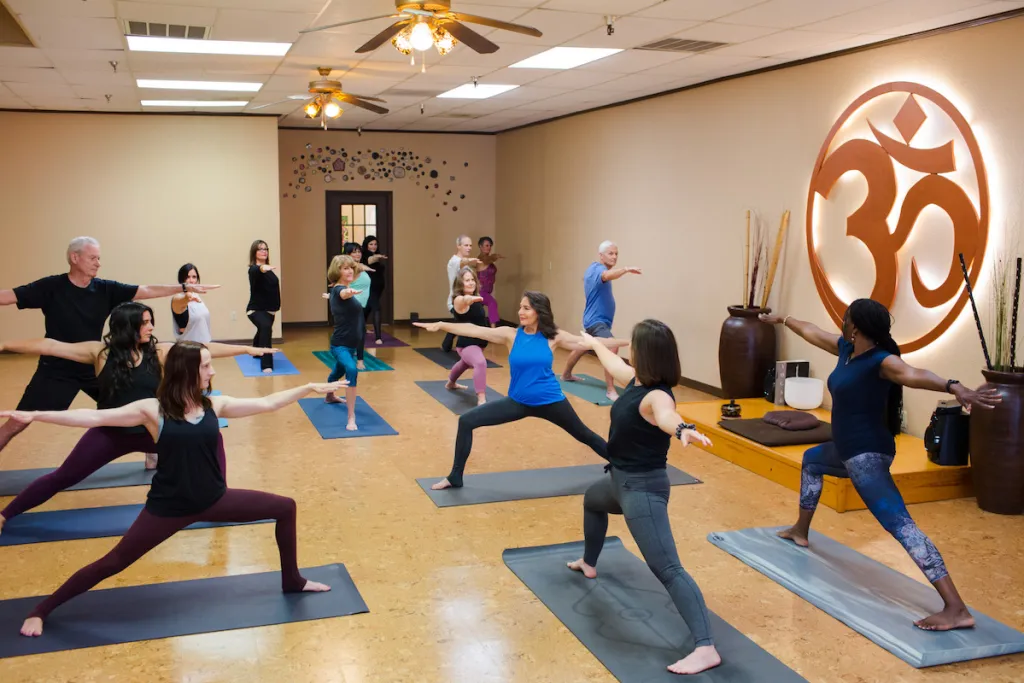
2. Warrior II (Virabhadrasana II): Warrior II is a strengthening and lengthening pose. Sinking into the lunge gives you the benefit of activating the leg muscles, which tones the thighs and glutes, while improving stamina. The open position stretches the hips and groin, promoting flexibility in areas where tension can easily accumulate. 

3. Sun Salutation Sequence (Surya Namaskar): Sun Salutations are a dynamic, flowing pose that combines a series of poses into a single flow. The muscles are stretched and strengthened as you go through forward folds, lunges, planks, and backbends. Repeating this sequence multiple times warms up the body, raises your heart rate, and provides you with a gentle cardio workout. 

4. Bridge Pose (Setu Bandhasana): Bridge Pose focuses on opening the chest, shoulders, and hip flexors while tightening the glutes and hamstrings. This combination helps prevent the effects of sitting for long periods and supports spinal flexibility. From a weight loss perspective, it involves the use of large muscles such as thighs and hips, which increase the amount of calories burned. 

5. Seated Forward Fold (Paschimottanasana): The Seated Forward Fold is one of the most effective poses for stretching the whole body, starting with the calves and hamstrings up to the spine. This deep stretch relieves tension in the lower back and lengthens tight muscles. It also relaxes the nervous system and hence relieves stress, one of the factors that leads to weight gain. 

Realistic Results and Helpful Tips

  • The progress will be gradual, as you’ll notice improvement in flexibility day by day, not overnight. So, don’t compare yourself to others.
  • Consistency is the key, as even 20 minutes a few times a week is more helpful than long sessions once in a while. 
  • The practice of mindful eating is effective, as yoga for flexibility and weight loss teaches you about the food you’re putting in your body, which helps you achieve your weight loss goals. 
  • You can use props like blocks and straps when needed and give yourself rest days when required.

FAQs

Which yoga is best for weight loss for beginners?

If you’re a beginner, you should go for Vinyasa Yoga for weight loss, as the flowing movements boost the amount of calories burned while improving strength and flexibility.

Can you lose weight with beginner yoga?

Yes, you can lose weight through yoga. Yoga helps you stay active, burn calories, and build mindfulness, which makes you aware of your lifestyle and helps you make healthier lifestyle and food choices.

Which yoga burns belly fat?

Plank pose (Chaturanga) is considered excellent for burning belly fat. It tones the abdominal muscles, thighs, arms, and shoulders, and also improves spinal strength.

What is the best time of day for yoga?

You should practice yoga during the cool and calm time of the day, i.e., either early morning around sunrise or in the evening around sunset.

Is 30 minutes of yoga a day enough to lose weight?

Yes, 30 minutes of yoga daily can help with weight loss, but its results depend on the type of yoga, consistency, and maintaining a calorie-deficient diet and activity.

Yin Yoga vs Vinyasa – Which Class Is Right for You?

Ten minutes into my first yin yoga classes at Sundance, I wanted to leave. Not because it hurt, but because sitting still felt impossible. My mind raced through tomorrow’s to-do list while my hips slowly opened in pigeon pose. That discomfort with stillness told me everything I needed to know about why I needed yin practice.

Three months later, after adding vinyasa yoga classes to my routine, I discovered that both practices were teaching me different ways to handle stress, but neither was better than the other.

What Actually Happens When You Stay Still vs Keep Moving

Yin yoga classes ask you to hold poses for three to five minutes using props for support. Most shapes happen close to the ground. Your hip flexors and shoulder fascia get attention they never receive in daily life. Your nervous system learns that being still does not equal being in danger.

Vinyasa yoga classes link breath with continuous movement. You build heat, strength, and cardiovascular fitness while flowing between poses. Your body learns to move with control and awareness. Your mind practices focusing on one thing at a time.

The Science Behind Each Practice

In yin yoga classes, we target fascia and connective tissue that rarely gets direct attention. According to research published in the Journal of Bodywork and Movement Therapies, fascia responds best to sustained, gentle pressure rather than dynamic stretching, which explains why yin practice creates flexibility changes that faster movements cannot achieve.

Vinyasa yoga classes serve different therapeutic purposes. Research from Harvard Medical School shows that regular vinyasa practice can lower blood pressure, improve insulin sensitivity, and support healthy weight management.

For yoga for weight loss, vinyasa provides measurable metabolic benefits. Dynamic yoga styles can burn 200-400 calories per session while building lean muscle mass. But the weight management benefits extend beyond calories burned into improved eating habits and body awareness.

The Nervous System Connection

Your autonomic nervous system has two main modes, sympathetic (fight or flight) and parasympathetic (rest and digest). Most of us spend too much time in sympathetic activation, contributing to digestive issues and sleep problems.

Yin yoga classes specifically activate your parasympathetic nervous system. Research from the National Institutes of Health demonstrates that restorative yoga practices significantly reduce cortisol levels and improve stress resilience.

Vinyasa yoga classes initially activate your sympathetic system through movement and heat, then guide you into parasympathetic recovery. This cycle trains your nervous system to handle stress more efficiently.

What Your Energy Pattern Tells You

If you consistently feel anxious, overstimulated, or have trouble slowing down, yin yoga classes provide essential counterbalance. The practice teaches you that safety exists in stillness, which becomes a powerful tool for managing daily stress.

If you tend toward low energy, depression, or feeling stuck, vinyasa yoga classes can mobilize stagnant energy. The heat and movement help circulate blood and lymph while elevating mood through endorphin release.

Our instructor Sheryl Sanchez, who holds trauma-informed training, notices that students often resist the practice they need most. Those who avoid yin usually need more stillness. Those who skip vinyasa often need more activation.

Combining Both for Maximum Benefit

Many students discover that combining both practices creates unexpected benefits. Practicing vinyasa earlier in the week builds strength and energy. Adding yin toward the weekend provides recovery and integration time.

For yoga for weight loss, this combination proves particularly effective. Vinyasa provides active calorie burning and muscle building. Yin supports stress reduction, which helps regulate cortisol levels that can affect weight retention according to Mayo Clinic research.

Monica Gutierrez, our certified prenatal instructor and Ayurvedic Health Counselor, often recommends seasonal approaches. More activating vinyasa practice during winter months when energy tends to be lower. More cooling in practice during summer or high-stress periods

Questions to Guide Your Choice

What does your sleep look like? If you have trouble falling asleep, evening yoga classes help activate rest mode. If you wake up feeling sluggish, morning vinyasa can energize your day.

How do you handle stress? If you tend to get anxious and need calming tools, start with yin. If stress makes you feel heavy or stuck, try vinyasa first.

What does your body need for yoga for weight loss? If you want active calorie burning and strength building, emphasize vinyasa. If stress eating or emotional patterns around food are concerns, yin practice supports the nervous system regulation that underlies sustainable weight management.

The Core Skill Both Practices Teach

Whether you choose flowing vinyasa yoga classes or deep yin yoga classes, both styles teach you to be present with discomfort without immediately changing or fixing anything. Vinyasa trains this through challenging poses and heat. Yin trains this through long holds and mental restlessness.

This skill transfers directly to daily life. Instead of immediately reaching for your phone when bored or eating when stressed, you develop the capacity to pause and respond rather than react.

Starting Your Practice at Sundance

Try both styles within your first month. Notice which one your mind resists more. That resistance often points toward what your system needs most for balance.

Our experienced instructors create safe spaces for exploration in both styles. My biomechanical training and 1500+ hours of yoga education inform how I structure classes that provide benefits without compromising joint health.

Sundance Yoga Studios:

  • Friendswood: 128 S. Friendswood Dr., Friendswood, TX 77546
  • Pearland: 7501 Fite Rd, Pearland, TX 77584
  • Phone: 281-482-9642
  • Schedule: sundanceyoga.com/Schedule

Your practice will evolve as your needs change. The style that serves you today might be different from what you need next month. Trust your body to guide you toward what it needs now.

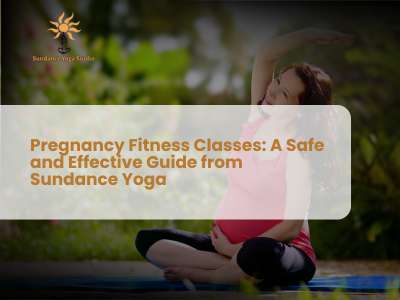
Pregnancy Fitness Classes: A Safe and Effective Guide from Sundance Yoga

Walking into our Friendswood or Pearland studios with questions about exercise during pregnancy is completely normal. Can I still move my body? Will this help with back pain? What if I get dizzy? Our certified instructors at Sundance Yoga answer these questions every week in our pregnancy fitness classes.

Starting Your Pregnancy Fitness Journey

Joining pregnancy fitness classes means showing up as you are today. Some sessions you will feel energized and ready to move. Other days you might need to rest on your side and focus on breathing. Both experiences support your body and your growing baby

How We Structure Safe Pregnancy Fitness Classes

Each class begins with breath work because it creates immediate calm in a changing body. We then add gentle movement designed specifically for pregnancy, with modifications for each trimester. Our pregnancy yoga at home virtual classes follow the same structure with clear guidance on prop setup and pacing.

Two Breathing Techniques We Use Every Class

360 breath: Place one hand on ribs, one on belly. Breathe into your ribs so they expand wide and back. Exhale and feel them soften. This teaches your pelvic floor to respond naturally and gives you a tool for nighttime discomfort.

Box breath: Count to four on inhale, pause for four, exhale for four, pause for four. Repeat three times. This calms your nervous system before appointments and works well during pregnancy yoga at home practice.

Three Props That Transform Your Practice

A folded blanket under your sitting bones makes any seated pose more comfortable for your lower back. A chair behind your mat provides support in forward folds and turns challenging balance poses into stable strength work. Two pillows solve most comfort issues: one between your knees when side-lying, one to hold. These simple additions make yoga for flexibility feel accessible instead of forced.

How Pregnancy Fitness Classes Adapt By Trimester

First trimester: Fatigue often surprises new students. We keep movements small and encourage rest when needed. Pregnancy yoga at home with shorter sessions works well if morning sickness makes travel difficult.

Second trimester: Energy typically increases. We focus on building leg and back strength to support your shifting center of gravity. This stage offers good opportunities for yoga for flexibility work with gentle, active stretching.

Third trimester: Creating space becomes the priority. Wide-knee child’s pose with support, side-lying twists with pillows, and flowing movements that feel like swimming through air. The breathing patterns learned earlier become automatic tools.

Safety Guidelines We Follow

We avoid positions that require lying flat on your back after mid-pregnancy to maintain healthy blood flow. Deep twists and intense backbends stay off the table because your tissues are already working hard to accommodate changes. Room temperature stays comfortable, never heated.

Rethinking Yoga for Flexibility During Pregnancy

Yoga for flexibility shifts from “how far can I stretch” to “how safe can I feel in movement.” Instead of passive stretching, we teach active engagement. In a lunge position, press your front heel down while gently drawing it back without actually moving. This wakes up your hamstrings, releases hip flexor tension, and signals safety to your nervous system. Students often find this approach reduces sciatic nerve irritation more effectively than aggressive stretching.

Meet Your Certified Sundance Instructors

Valerie Immore, E-RYT 500, IAYT, TIYT founded Sundance Yoga with over 1500 hours of training in yoga and therapy. As a certified yoga therapist through the International Association of Yoga Therapists, she brings therapeutic understanding to every class.

Sheryl Sanchez, E-RYT 500, TIYT teaches Prenatal, Kids, and Gentle classes. Her trauma-informed training, earned in 2020, helps students dealing with anxiety find stability and peace in movement.

Monica Gutierrez, RYT 200 combines her prenatal instructor certification with Ayurvedic Health Counselor training. With over 20 years of personal practice, she helps students adapt their yoga as energy and needs change throughout pregnancy.

Ocean Qian, Instructor RYT 200 is a gentle yet grounded yoga teacher with a background in Tai Chi and Eastern philosophy. She guides students to connect with their bodies and cultivate inner balance through breath, awareness, and mindful movement.

Simple Pregnancy Yoga at Home Sequence

Set a timer for 20 minutes. Gather a blanket, chair, and two pillows:

  • 2 minutes: 360 breathing
  • 3 minutes: Cat-cow stretches with hands on chair seat
  • 3 minutes: Supported lunge on each side
  • 3 minutes: Wide-knee child’s pose with pillow under chest
  • 3 minutes: Side-lying spinal twist on each side with pillow between knees
  • 6 minutes: Rest on your side with gentle box breathing

This sequence supports relaxation and maintains safe yoga for flexibility.

When to Contact Your Healthcare Provider

Stop exercising immediately and call your doctor if you experience persistent headaches that rest does not relieve, vision changes, chest tightness, fluid leaking, or any bleeding. Trust your instincts about what feels wrong.

Building Community Through Pregnancy Fitness Classes

Students often share practical wisdom before and after class. Someone mentions the pillow arrangement that finally brought comfortable sleep while another person suggests bringing a towel for the car after acupuncture appointments. These small exchanges create lasting connections and support networks that extend well beyond pregnancy.

Join Sundance Yoga for Safe, Expert-Led Pregnancy Fitness Classes

Pregnancy fitness classes at Sundance Yoga offer professional guidance, warm community, and movement practices designed for every stage of pregnancy. Choose between in-studio classes or pregnancy yoga at home through our virtual platform.

Sundance Yoga Studios:

  • Friendswood: 128 S. Friendswood Dr., Friendswood, TX 77546
  • Pearland: 7501 Fite Rd, Pearland, TX 77584
  • Phone: 281-482-9642
  • Email: info@sundanceyoga.com
  • Class Schedule: sundanceyoga.com/Schedule
  • Prenatal Program: sundanceyoga.com/programs

Come introduce yourself before your first class. Share how you slept the night before or what feels uncomfortable today. We build our practice from there.